Maserati – Italian Luxury Performance & Grand Touring Excellence
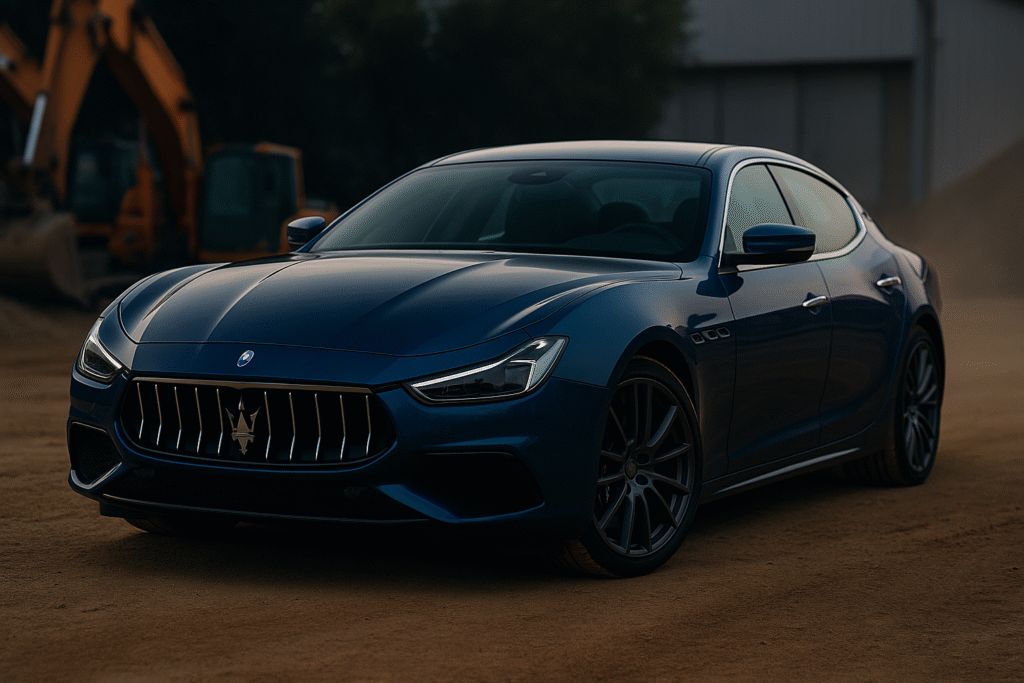
Table of Contents
Introduction — Where Emotion Meets Engineering
A Maserati rolls into the workshop differently than most vehicles. The long hood, the trident emblem, the fluid curves and the unmistakable exhaust note all create a sense of Italian drama blended with engineering precision. Whether it’s a GranTurismo with its high-revving V8, a Quattroporte luxury sedan or the modern MC20 with its cutting-edge Nettuno V6, Maserati vehicles radiate a presence that feels both artistic and mechanical.
For technicians and engineers, Maserati represents a fascinating combination of racing heritage, hand-crafted luxury and high-performance engineering. The brand is deeply rooted in motorsport tradition, yet its road cars prioritize grand touring comfort — a balance only a few manufacturers have mastered. Working on a Maserati requires respect for the emotional design intent, combined with disciplined mechanical expertise.
Definition: Maserati – Italian Luxury Performance & Grand Touring Excellence
This description captures Maserati’s core identity:
- Italian luxury — handcrafted interiors, artisanal materials, sculpted design.
- Performance engineering — high-output engines, performance drivetrains and aerodynamic refinement.
- Grand touring philosophy — long-distance comfort combined with speed, stability and drama.
- Racing DNA — decades of motorsport influence in design and technology.
Many technicians find Maserati vehicles a rewarding challenge: complex enough to require discipline, but intuitive enough to reveal clear engineering intent.
Heritage: Racing Pedigree & Italian Automotive Art
Founded in 1914 in Bologna, Maserati has always positioned itself at the crossroads between motorsport and artistic Italian design. Early successes in racing, including Targa Florio and Grand Prix victories, defined the brand’s engineering direction.
- 1950s–1960s: Racing success shapes road car development.
- 1980s: Turbocharged era introduces advanced forced-induction engineering.
- 2000s: Ferrari partnership produces refined, high-performance V8 engines.
- 2020s: MC20 launches Maserati’s own supercar powertrain platform.
Technicians must understand that Maserati engineering blends motorsport principles with luxury aspirations — a duality that influences every service procedure.
Maserati designs its vehicles using lightweight yet strong platforms optimized for high-speed stability and balanced handling.
Key Architectural Principles
- Front-mid engine layout in many models for improved weight distribution.
- Aluminum-intensive construction to reduce weight.
- Long wheelbases to deliver stability during high-speed touring.
- Multi-material body structures combining aluminum, steel and composite elements.
Modern Maserati Platforms
- Quattroporte/Levante Platform — large luxury-oriented architecture.
- Ghibli Platform — performance sedan with rear-wheel-drive dynamics.
- MC20 Carbon Monocoque — supercar-grade platform with extreme rigidity.
Workshop implications:
- Precise alignment is necessary for stability.
- Suspension mounting points must be torque-checked carefully.
- Body repairs require skill with multi-material joining techniques.
Engine Engineering — Nettuno V6, Ferrari-Derived V8s & Powertrain History
Maserati engines are the centerpiece of the brand’s identity. Over the years, the company has used:
Ferrari-Derived V8 Engines (F136 family)
- High-revving, naturally aspirated or turbocharged.
- Exceptional sound and throttle response.
- Shared engineering origins with Ferrari powertrains.
Modern Nettuno V6 (MC20)
- Twin-turbo 3.0L V6 developed in-house by Maserati.
- Pre-chamber combustion adapted from Formula 1.
- High compression with advanced fuel and spark control.
- Compact packaging for mid-engine layouts.
Older V6 Engines
- Durable cast-iron and aluminum hybrid designs.
- Milder performance but strong reliability.
Technicians must pay special attention to:
- Turbo oil feed and return lines.
- Carbon buildup on high-performance intake tracts.
- Cooling system integrity under high-speed operation.
- Timing chains and tensioner behavior.
Aerodynamics, Cooling & High-Speed Stability
High-performance vehicles like Maserati require excellent aerodynamic efficiency and cooling reliability. At speeds above 250 km/h, stability becomes as important as power.
Aerodynamic Features
- Integrated front splitters for downforce.
- Rear diffusers for aerodynamic balance.
- Sculpted underbody panels to reduce turbulence.
- Brake cooling ducts designed for high thermal loads.
Cooling Systems
- Multiple radiators for engine, turbo, transmission and oil.
- High-flow electric fans and active grille shutters.
- Oil coolers positioned for optimal airflow.
Technicians must inspect:
- Radiator fins for debris.
- Coolant pump performance.
- Oil cooler lines for restrictions.
- Turbo intercooler efficiency.
Suspension Systems — Skyhook, Double Wishbone & GT Tuning
Maserati’s suspension systems are engineered to blend comfort with dynamic handling.
Skyhook Adaptive Suspension
- Electronically controlled dampers.
- Real-time adjustments for comfort or aggressive handling.
- Works with vehicle dynamics control systems.
Double Wishbone Front Suspension
- Precision geometry for cornering stability.
- Superior camber control.
Multi-Link Rear Suspension
- Balances ride comfort and agility.
- Supports high-speed stability.
Workshop attention points:
- Damping actuator calibration.
- Bushing wear from aggressive driving.
- Ball joint condition under performance loading.
- Ride height sensor consistency.
Braking Systems & High-Performance Heat Management
Maserati braking systems are built for repeated high-speed deceleration.
- Brembo calipers with multi-piston designs.
- Large-diameter ventilated discs.
- Carbon-ceramic options on high-end models.
- Brake-by-wire systems in some electrified variants.
Service considerations:
- Brake fluid temperature tolerance must meet OEM specs.
- Rotor heat cracks should be monitored.
- Pad compound selection affects noise and dust.
Interior Engineering: Luxury, Ergonomics & Italian Craftsmanship
Maserati interiors are crafted with Italian leather, hand-stitched surfaces and driver-focused ergonomics. The cabin architecture integrates:
- Natural materials — leather, wood, Alcantara, carbon fiber.
- Driver-centric instrumentation.
- Minimalist GT layouts designed for long-distance comfort.
- Premium audio systems engineered for cabin acoustics.
Technicians should ensure:
- Electronic modules behind trim panels are handled delicately.
- Seat calibration and memory functions operate correctly.
- HVAC systems maintain quiet airflow.
Maintenance Strategies & Workshop Best Practices
- Use only OEM-approved high-temperature oils for turbo engines.
- Monitor timing chain stretch on higher-mileage V6 and V8 models.
- Check Skyhook sensors for calibration drift.
- Inspect all turbo plumbing and intercooler hoses.
- Perform alignment with precise GT-spec benchmarks.
- Update ECU and dynamics modules with the latest calibration files.
Common Issues, Diagnostics & Troubleshooting
Engine
- Carbon buildup in intake systems.
- Coil pack failures at high mileage.
- Potential oil leaks around cam covers.
Skyhook & Dynamics Systems
- Sensor corrosion in humid climates.
- Damping actuator faults.
- Calibration mismatches after suspension work.
Infotainment & Electronics
- CAN network issues from loose grounds.
- Screen delamination on older vehicles.
- Module reprogramming required for intermittent faults.
Illustrative Tables
Table 1 — Maserati Engine Overview
| Engine |
Type |
Strength |
Workshop Focus |
| Nettuno V6 |
Twin-Turbo |
F1-inspired combustion |
Thermal control & turbo health |
| F136 V8 |
N/A or Turbo |
High-rev power |
Oil system & timing components |
| Older Maserati V6 |
Gasoline |
Durable & smooth |
Cooling & chain checks |
Table 2 — Suspension Systems
| System |
Type |
Strength |
Service Notes |
| Skyhook |
Adaptive |
Excellent ride control |
Sensor calibration |
| Double Wishbone |
Front |
Precision handling |
Bushing & joint inspection |
| Multilink |
Rear |
Balanced comfort |
Alignment accuracy |
FAQ Section
1. Are Maserati vehicles reliable?
Yes — especially newer models, provided maintenance is performed with correct fluids and calibrated equipment.
2. Is the Nettuno V6 difficult to service?
It requires advanced diagnostic tools and attention to turbo cooling and lubrication, but is highly manageable with proper training.
3. Do Maseratis require specialty tools?
Some suspension, drivetrain and interior components benefit from specific tools, particularly for Skyhook and aluminum chassis components.
4. Are Maserati brakes expensive to maintain?
Performance brakes require high-temperature pads and proper bleeding, but routine service is straightforward with correct procedures.
Suggested Past Articles & Useful Links
Explore additional automotive technical deep dives at cartechexpert.com.
Tools, diagnostics and workshop equipment available at: store.cartechexpert.com
Conclusion
Maserati stands at the intersection of passion and engineering — a brand that continues to evolve while honoring its racing heritage and Italian craftsmanship. For technicians, understanding Maserati means combining precision mechanical work with appreciation for the brand’s grand-touring philosophy. With disciplined maintenance, these vehicles deliver exceptional performance, luxury and emotional connection on every road.
Thank you for reading.

