Western Star – Hand-Built History & Custom Heavy-Duty Culture
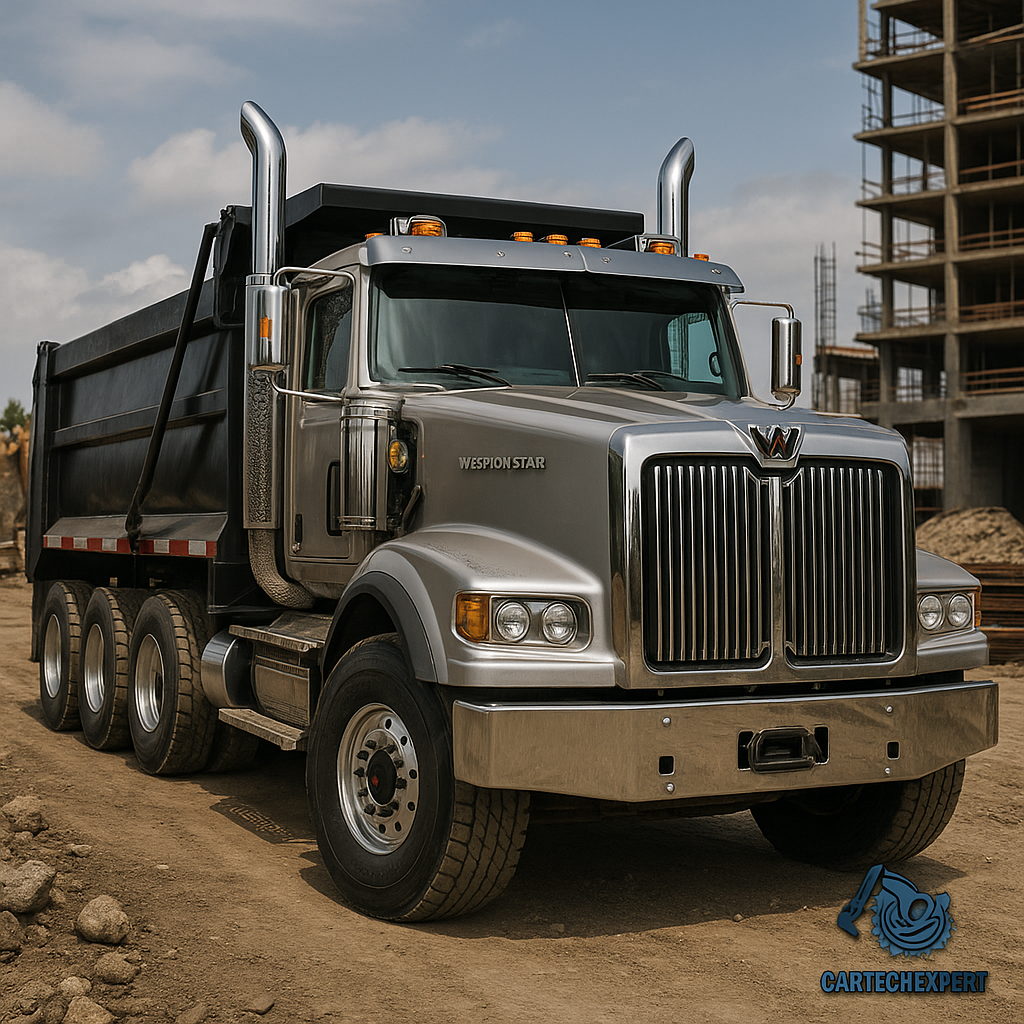
The first time you stand in front of a hand-built Western Star, it’s less a machine and more a statement: a deliberate silhouette of steel, a heavy-duty personality chiseled around purpose. Technicians, custom builders, and seasoned owners feel it in the air — a quiet conviction that this truck was not mass-produced to a lowest-common-denominator price, but assembled with intention: thicker rails where the work demands it, upgraded axles where torque must be contained, and finishes chosen for durability and pride. Western Star is where bespoke heavy-duty work meets production engineering, a brand where the shop floor still matters as much as the factory line.
From logging roads to highway drays, from mining depots to custom show rigs, Western Star trucks occupy a distinctive place in vocational life. This article maps the brand’s hand-built DNA, its historical arc, core engineering principles, modern technologies, maintenance regimes, safety considerations, and the cultural ecosystem of custom heavy-duty builders who make Western Star a living, evolving legend.
Table of Contents
- Definition – Western Star: Hand-Built History & Custom Heavy-Duty Culture
- Origins & Early History
- Heritage of Hand-Built & Customization
- Modern Western Star Engineering
- Key Systems & Engineering Highlights
- Maintenance Best Practices & Workshop Guidance
- Occupational Safety, Cab Design & Operational Protocols
- Illustrative Tables & Technical Comparisons
- Custom Heavy-Duty Culture: Upfits, Special Builds & Operator Needs
- Frequently Asked Questions
- Old Article Version (Placeholder)
- Conclusion & Call to Action
Definition – Western Star: Hand-Built History & Custom Heavy-Duty Culture
“Western Star – Hand-Built History & Custom Heavy-Duty Culture” refers to the distinctive identity of Western Star Trucks: an emphasis on heavy-duty capability, customizable vocational configurations, and a production philosophy that allows for hand-built refinement and customer-specific options. The phrase covers:
- Hand-assembled practices and dealer-level customization options.
- Robust chassis engineering designed for severe-service applications.
- Vocational focus: logging, mining, heavy-haul, construction, and specialty applications.
- A culture of aftermarket upfitters, owner-operators, and fleet spec engineers who treat the platform as a customizable tool.
Origins & Early History
Founding and the Early Promise
Western Star’s roots trace to the late 1960s and early 1970s as a North American heavy-truck marque created to address rugged vocational needs with a premium build approach. Early Western Star models established a reputation for chassis strength, straightforward mechanical systems, and design choices that favored field serviceability over flash.
Evolution Through Ownership and Purpose
Over the decades, Western Star experienced changes in ownership and product strategy but preserved a vocation-first ethos. The brand consistently emphasized:
- High-yield frame rails and thicker cross-sections in stress zones.
- Heavy-duty axles and braking systems suitable for steep grades and sustained heavy loads.
- Cab configurations that balance driver ergonomics with vocational visibility.
Heritage of Hand-Built & Customization
What “Hand-Built” Means in Practice
“Hand-built” in the Western Star context refers to production processes and ordering flexibility that allow increased technician intervention during final assembly, specialized component selection, and dealer-level custom fitment. Practically, this shows up as:
- Optional heavy-duty subframe packages fitted per order.
- Manual fitment of sprayed-in or bolted-on reinforcements for vocational frames.
- Dealer-installed PTOs, hydraulic plumbing, and custom electrical harnesses integrated at the factory or at specialized upfitters.
Legacy of Custom Vocational Builds
Western Star’s customer base often includes fleets that require non-standard specifications: extreme-cooling packages, high-capacity fuel systems, reinforced fifth wheel plates, or special axle ratios. The brand’s manufacturing model supports these customizations without sacrificing warranty or structural integrity — a major differentiator for operators who demand exacting specs.
Modern Western Star Engineering
Chassis Philosophy
Western Star’s chassis engineering prioritizes stiffness where needed and targeted compliance elsewhere. Typical design choices include:
- High-strength, heat-treated frame rails with increased rail thickness in known fatigue zones.
- Large-section cross-members at suspension hangers, cab mounts and transmission cross supports.
- Pre-drilled and reinforced mounting banks for vocational bodies and accessories.
Powertrains & Integration
Historically, Western Star has offered a range of heavy-duty powertrains sourced from established diesel engine manufacturers, often paired with heavy-reduction axles and AMTs tuned for vocational torque delivery. Modern models integrate:
- High-displacement inline-6 diesels with turbocharging and advanced fuel injection.
- Automated manual transmissions with torque-management software suited for heavy loads.
- Engine braking and integrated retarders for sustained downhill performance.
Driver-Centered Cab Design
Cabs are built for durability and clarity: easily serviceable switchgear, HVAC systems built for long idle periods, and seating tuned to reduce whole-body vibration during long shifts. Western Star emphasizes accessible maintenance interfaces: under-seat toolboxes, removable dash modules, and service doors for routine checks.
Key Systems & Engineering Highlights
1. Frame & Structural Engineering
- High-yield steel frame rails with launched-grade steel where required.
- Strategic gusseting of the rail-web at known stress concentrations.
- Reinforced outriggers and integrated body mounts for tipper and crane applications.
2. Suspension & Axles
- Parabolic or multi-leaf spring packs for heavy loads, with air-ride options for cab comfort and rear cargo protection.
- Hub-reduction and single-reduction axle choices depending on torque and speed requirements.
- Steering axles with heavy-duty kingpins and replaceable bushings for field serviceability.
3. Powertrain Control & Transmissions
- AMTs with built-in grade-compensation and PTO-friendly shift maps.
- Engine control modules calibrated for abrupt load changes and heavy-haul conditions.
- Integrated retarder control (hydraulic or electromagnetic) to reduce service brake wear.
4. Braking Systems & Safety Electronics
- Air brake systems with ABS, stability control, and load-adaptive modulation.
- Electronic controls tuned to vocational requirements (loaded descending, quarry cycles).
- Optional collision mitigation and lane-assist where regulatory landscapes and spec packages allow.
5. Electrical Architecture & Upfit Readiness
- Factory-installed high-amperage alternators for power-hungry upfits (hydraulics, heaters, winches).
- Pre-routed harnesses and fusion points for OEM and dealer-installed accessories.
- Isolated circuits for auxiliary systems to avoid core-system interference.
Maintenance Best Practices & Workshop Guidance
Because Western Star trucks often operate in severe-service environments, disciplined maintenance practices are essential. Below are concrete, technician-oriented practices tailored to the hand-built and custom-nature of these trucks.
Daily & Pre-Shift Checks
- Visual inspection of frame rails and body mounts for cracks or deformations — check weld seams and gussets.
- Engine oil and coolant levels — look for intermixing or emulsification that suggests head-gasket or turbo issues.
- Brake system air pressure build and audible leak checks at chambers and valves.
- Tire and wheel-end inspection: check lug torque values and hub oil for signs of overheating.
Short Interval (Weekly / ~1,000–5,000 km)
- Inspect suspension hangers, U-bolts and torque values on leaf- and air-ride systems.
- Check PTO couplings, hydraulic hoses and fittings for signs of abrasion or oil weeping.
- Validate battery tray security and terminal corrosion — heavy-duty alternator loads and cold starts stress the system.
Medium Interval (Monthly / 20,000–50,000 km)
- Oil and filter change using OEM-specified lubricants rated for heavy loads and high soot levels.
- Transmission fluid & filter inspection; AMT software updates where applicable.
- Brake chamber and lining inspections; replace based on measured thickness rather than a fixed calendar.
- Inspect steering linkages and replace worn bushings or kingpin bearings before seal failure occurs.
Long Interval (Annually / 100,000+ km)
- Comprehensive frame inspection for fatigue cracks using dye-penetrant or magnetic-particle testing on suspect welds.
- Deep drivetrain service: check axle oil, differential backlash, and carrier bearings; adjust pinion and carrier clearances as required.
- Cooling-system teardown if operating in dusty or high-heat environments: clean charge-air coolers and radiators; replace thermostat and pressure caps.
- Full electrical system evaluation: test alternator output under load, check CAN-bus connections, and reflow any degraded solder joints on high-vibration modules.
Special Considerations for Custom Builds
- Aftermarket hydraulics and PTOs often shorten service intervals for transmissions and driveline components — plan for higher-frequency inspections.
- Reinforced body mounts change dynamic loading — monitor rail stress at mounting banks for crack initiation.
- High-amperage accessory loads require alternator and wiring upgrades; fuse and breaker sizing must be reviewed after any upfit.
Occupational Safety, Cab Design & Operational Protocols
Safety for Western Star trucks combines passive vehicle design and active operational policies. Because many units work in extreme environments, engineering and procedural controls must both be robust.
Passive Safety & Cab Design
- High-strength cab mounts and energy-absorbing steering columns to reduce driver injury in collisions or roll events.
- Large glazing for improved forward and peripheral visibility in logging, quarry, and construction settings.
- Ergonomic seating with vibration isolation to prevent whole-body vibration injuries over long shifts.
Active Systems and Driver Assistance
- Retardation systems integrated with AMT to provide predictable deceleration on long descents.
- Collision mitigation and lane-keep assist offered in spec packages geared toward highway heavy-haulers.
- Camera and proximity-sensor packages to make low-speed maneuvering and upfit operation safer.
Operational Protocols
- Pre-shift checklists should include structural checks specific to custom components (crane mounts, tipper pivots).
- Load securement training for operators using cranes, winches or non-standard cargo securing systems.
- Lockout/tagout protocols for hydraulic repairs and electrical isolation procedures for any high-voltage or high-current systems.
Illustrative Tables & Technical Comparisons
Table 1 — Typical Western Star Vocational Configurations
| Application |
Common Model/Platform |
Key Specs |
Customization Notes |
| Logging |
Wide-nosed heavy chassis |
High-traction axles, high-torque engine |
Reinforced rail, winch integration, heavy bumper |
| Quarry/Dump |
Dump chassis, reinforced frame |
High-ratio axles, robust hydraulic PTO |
Tipper gearboxes, full-length cross-members |
| Heavy Haul |
Long-hood tractors |
High-capacity fifth wheel, heavy-duty suspension |
Custom air suspension tuning, extended wheelbases |
| Specialty (Crane/Service) |
Reinforced chassis with subframe |
High-amperage alternators, PTOs, crane mount provisions |
Body OEM integration and factory electrical isolation |
Table 2 — Maintenance Interval Reference (Illustrative)
| Task |
Severe Duty |
Mixed Duty |
Light Duty |
| Engine Oil & Filter |
5,000–8,000 km |
8,000–15,000 km |
15,000–30,000 km |
| Brake Inspection |
5,000–8,000 km |
10,000 km |
10,000–20,000 km |
| Frame & Mount Check |
Monthly |
Quarterly |
Annually |
| Transmission Service |
40,000 km |
60,000–80,000 km |
80,000–120,000 km |
Table 3 — Quick Comparison: Western Star vs Typical Heavy-Vocational Competitor
| Attribute |
Western Star |
Typical Competitor |
| Customizability |
High — dealer & factory support for bespoke builds |
Moderate — many options but less hand-built flexibility |
| Frame Strength (severe service) |
High — thicker rails & reinforced cross members common |
Variable |
| Uptime Focus |
High — serviceability and part modularity |
High — but some brands focus more on volume than bespoke serviceability |
| Aftermarket Ecosystem |
Strong — heavy-duty builders and specialty vendors |
Strong |
Custom Heavy-Duty Culture: Upfits, Special Builds & Operator Needs
Why Operators Choose Custom Western Star Builds
- Exact fit to duty cycle: fleets spec for specific axle ratios, PTO maps, and cooling to match routes.
- Aftermarket body integration without sacrificing warranty — factory-upfit programs and OEM-approved dealers.
- Owner pride and resale value: tasteful, functional customizations often increase long-term value.
Popular Upfits & Integration Practices
- Hydraulic systems for dump and crane applications: integrated with factory PTOs and designed for heat management.
- Reinforced fuel tanks and auxiliary fuel systems for long remote runs.
- Enhanced electrical systems for lighting arrays, winches, and heated body systems.
- Noise & vibration dampening packages for operator comfort on long shifts.
Spec’ing a Custom Truck — Checklist for Fleet Engineers
- Define duty profile: average payload, peak slope, ambient temperature extremes, cycle frequency.
- Choose the engine and axle ratio to match peak torque needs and top-speed requirements.
- Decide on PTO location, capacity, and shift-mapping for hydraulic demands.
- Confirm frame reinforcement points, cross-member spacing, and body-mounting configuration with the upfitter.
- Plan electrical loads with an allowance for future upgrades; upsized alternator and larger gauge wiring are often cost-effective early investments.
- Include service access considerations: remote filters, drain valves, and inspection ports reduce downtime and labor cost.
Frequently Asked Questions
1. What does “hand-built” actually mean for maintenance and warranty?
Hand-built in the Western Star context means increased flexibility during final assembly and dealer-installed options that are integrated by trained technicians. Properly executed factory or dealer-installed customizations typically remain covered under the manufacturer warranty if they are done by authorized personnel and use OEM or approved parts. Always confirm warranty scope for any major upfit.
2. How do I spec a Western Star for long-term heavy-haul usage?
Start with an engine that provides peak torque at low rpm, pair it with a transmission tuned for grade-hold, specify high-capacity cooling, include a retarder, and choose axles with appropriate gear reduction and thermal mass. Reinforced frame rails and high-capacity fifth-wheel options are essential. Finally, prioritize maintenance-friendly features like remote drains and easily accessible filters.
3. What common failure modes should workshops watch for on heavily customized trucks?
Weld cracks at body mounts, overloaded electrical circuits leading to intermittent faults, premature U-joint wear from altered driveline angles, and overheating in cooling systems due to additional accessories are common. Regular inspection focused on modified interfaces mitigates these risks.
4. Are Western Star trucks good for extreme climates?
Yes — they are widely used in extreme cold and heat. Specify climate-adapted options: pre-heaters and Arctic packages for cold, and oversized radiators and dust-proof air intakes for hot/dusty environments.
5. How should fleets manage parts inventories for custom Western Star builds?
Maintain commonly used wear parts (filters, brake linings, belts), plus spares specific to the custom features: hydraulic fittings, PTO seals, alternator spares for high-load systems, and mounting hardware. Keep a documented list of all non-standard components added during build for rapid replacement.
Old Website Article (Placeholder)
Old Article Placeholder:
“Western Star trucks combine heavy-duty capability with custom, hand-built options that appeal to operators demanding exacting specifications. Built for severe-service, these trucks are frequently customized for logging, mining, heavy haul, and specialized vocational work.”
Conclusion & Call to Action
Western Star is more than a badge — it’s an engineering and cultural statement. The brand’s hand-built flexibility and vocational focus create platforms that technicians and fleet engineers can tailor to exact duty cycles. That custom spirit, combined with rigorous frame engineering, powerful drivetrains, and an ecosystem of experienced upfitters, makes Western Star a natural choice for severe-service operators who refuse compromise.
If you work with Western Star trucks — as a fleet engineer, technician, upfitter, or operator — your hands-on experience matters. Share your build-spec checklists, maintenance routines, and lessons learned at cartechexpert.com. Need parts or tools for a custom build? Visit our shop at store.cartechexpert.com to find components and specialist gear chosen for heavy-duty professionals.

