Physical Address
Arthur Avenue , BrookField , ILLINOIS , 60513 , United State
Physical Address
Arthur Avenue , BrookField , ILLINOIS , 60513 , United State

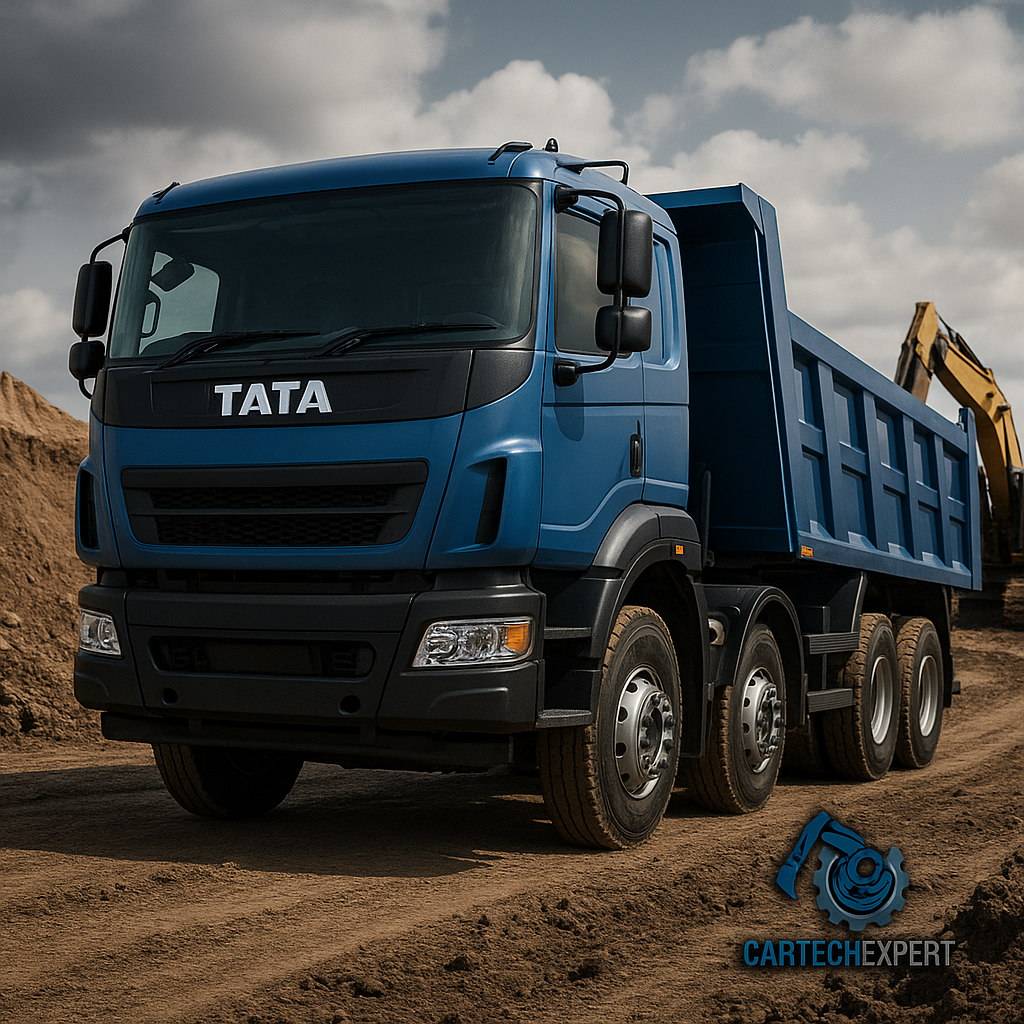
Anyone who has ever worked around heavy machinery in India knows the sound of a Tata truck before they even see it—the steady diesel rhythm, the rugged approach, the unmistakable presence on the road. Tata Motors has carried India’s industries, construction projects, and long-haul transport for decades.
For technicians, engineers, and fleet operators, Tata represents more than a local brand—it represents resilience, affordability, and practicality. Whether climbing steep Himalayan roads, navigating dense city streets, or hauling freight across international borders, Tata trucks symbolize India’s rise in global commercial transportation.
“Tata Motors – India’s Rise in Global Commercial Trucks” refers to the evolution of Tata Motors from a domestic truck manufacturer into a globally recognized brand providing heavy-duty vehicles, buses, light trucks, and military transport solutions across dozens of countries.
Today, Tata Motors produces solutions for:
Founded in 1945, Tata Motors began as Tata Engineering and Locomotive Company (TELCO), initially producing locomotives and engineering equipment for Indian industry.
Tata entered the truck market in the 1950s through a collaboration with Daimler-Benz. This partnership allowed Tata to produce Mercedes-based trucks under license—laying the groundwork for India’s commercial vehicle future.
By the 1970s, Tata trucks dominated India’s freight and construction sectors. Their simplicity, availability, and rugged durability earned a reputation that lasted generations.
Tata Motors expanded rapidly through the 1980s and 1990s with new manufacturing plants, upgraded powertrains, and improved chassis designs.
Tata Motors strengthened its global presence through strategic partnerships and acquisitions:
Tata became a major commercial vehicle supplier for developing markets due to their:
The Prima and Signa platforms signaled a major step forward for Tata’s heavy-duty lineup, offering:
Tata now serves commercial vehicle markets in:
Tata leads India’s push toward cleaner transport with:
Iveco and Cummins powerplants dominate, offering reliable mid- and heavy-duty capabilities:
| Engine | Displacement | Power | Usage |
|---|---|---|---|
| ISBe | 5.9L | 160–210 hp | Medium-duty |
| ISLe | 8.9L | 280–400 hp | Heavy-duty |
| Turbotronn | 3–5L | 120–200 hp | Lighter trucks |
| Task | Interval | Purpose |
|---|---|---|
| Oil Change | 10,000–20,000 km | Engine life |
| DPF Check | Yearly | Emission reliability |
| Cooling System | Annual | Temperature stability |
Yes. Tata’s Prima and Signa platforms are designed for long-distance duty with improved comfort and efficiency.
Yes. Their low initial investment and affordable parts make them economical for growing fleets.
Yes. Tata is actively developing electric and natural gas commercial vehicles.
Many models use Cummins ISBe and ISLe engines, especially in heavy-duty lines.
“Tata Motors is India’s leading commercial vehicle manufacturer, known for economical trucks and growing global presence.”
Tata Motors has grown from a domestic manufacturer into a global commercial-vehicle powerhouse. With rugged engineering, efficient powertrains, and expanding digital technology, Tata trucks continue to support industries across Asia, Africa, the Middle East, and beyond.
To explore more engineering-focused articles and heavy machinery insights, visit:
cartechexpert.com
For tools, diagnostics, and workshop equipment, shop at:
store.cartechexpert.com
