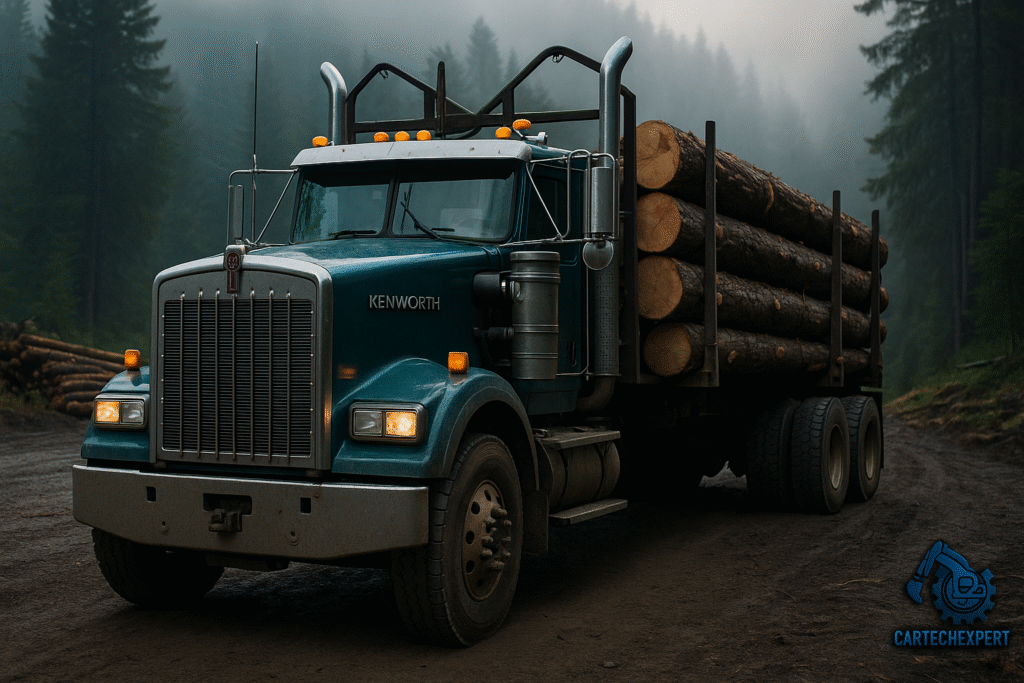
Kenworth – The History of the PNW Logging Titan


Kenworth – The History of the PNW Logging Titan

ken

Heavy equipment professionals know the feeling—the deep rumble of a diesel engine echoing through a morning fog, the silhouette of a long-nose truck climbing a steep grade, and the unmistakable presence of a machine built for survival in impossible terrain. In the Pacific Northwest, where logging roads curl up mountainsides and weather punishes steel, few trucks earned loyalty the way Kenworth did. Generations of technicians, drivers, and engineers trusted these rigs not because they were convenient, but because they were necessary.


Table of Contents

  1. What Makes Kenworth the PNW Logging Titan?
  2. Early Origins – From Gersix to Kenworth
  3. Growth of a Heavy-Duty Legend in the Pacific Northwest
  4. Latest Technologies & Engineering Innovations
  5. Maintenance Guidelines & Best Practices
  6. Occupational Safety in Heavy Logging Operations
  7. Technical Comparison Table
  8. Frequently Asked Questions
  9. Related Articles on CarTechExpert
  10. Conclusion

What Makes Kenworth the PNW Logging Titan?

Kenworth earned its title as the “PNW Logging Titan” thanks to its unique ability to withstand the brutal conditions of Pacific Northwest timber work. From steep switchbacks to wet clay roads, Kenworth trucks were engineered for torque, cooling efficiency, structural strength, and long-haul reliability.

Key Characteristics of Kenworth Logging Trucks

  • Reinforced chassis designed for heavy loads and uneven terrain
  • Low-RPM torque engines ideal for hauling timber
  • Durable suspension systems built for unpaved forest roads
  • Slim-profile cabs for maneuvering tight logging sites
  • Powerful cooling systems crucial during extended climbs

Early Origins – From Gersix to Kenworth

Kenworth’s roots trace back to the Gersix Motor Company in 1912, founded in Seattle. The company produced rugged 6-cylinder trucks—rare for the era—that quickly built a reputation among regional loggers. By 1923, the company was restructured as Kenworth, named after founders Harry Kent and Edgar Worthington.

For further historical context, readers may explore: Kenworth Official History
HistoryLink – Kenworth Overview

Key Early Milestones

  1. 1912 – Gersix Company forms in Seattle.
  2. 1923 – Becomes Kenworth Motor Truck Company.
  3. 1930s – Expands logging-truck production across Washington & Oregon.
  4. 1950s – Introduces diesel power as standard.

Growth of a Heavy-Duty Legend in the Pacific Northwest

The Pacific Northwest demanded a different kind of truck—one that could move tens of thousands of pounds of timber over steep terrain. Kenworth responded with reinforced steel frames, powerful engines, and iconic long-nose designs that enhanced cooling and serviceability.

Why Kenworth Dominated Logging Operations

  • High durability under extreme loads
  • Excellent torque-to-weight ratio
  • Superior downhill control with advanced braking systems
  • Driver comfort for long hours on remote mountain roads

Latest Technologies & Engineering Innovations

Kenworth’s modern trucks—especially the T880 and W990—continue the legacy of engineering excellence. Today, the focus extends to efficiency, electronics, and sustainability.

Modern Technologies

  • PACCAR MX Engines with high torque output at low RPM
  • Automated transmissions optimized for heavy logging loads
  • Advanced telematics for diagnostics and fleet control
  • Aerodynamic improvements that reduce fuel consumption
  • Driver assistance systems such as collision warnings and lane support

Maintenance Guidelines & Best Practices

Daily Checks

  • Inspect tires and pressure
  • Check hydraulic lines and air systems
  • Look for coolant, oil, and diesel leaks
  • Confirm brake functionality

Long-Term Service Recommendations

  • Full engine service every 15,000–25,000 miles
  • Transmission and differential oil replacement every 50,000 miles
  • Chassis and suspension inspection every 6 months

Occupational Safety in Logging Operations

Logging is among the most dangerous industries in the world. Proper safety measures protect operators, mechanics, and drivers.

Key Safety Measures

  • Always secure timber loads with reinforced chain systems
  • Use wheel chocks on steep inclines
  • Wear high-visibility PPE and protective footwear
  • Follow OSHA and local forestry safety regulations

Technical Comparison Table

Model Engine Power Torque Ideal Use
Kenworth T800 485–600 HP 1,650–2,050 lb-ft Steep logging roads
Kenworth W900 500–625 HP 1,850–2,050 lb-ft Heavy timber hauling
Kenworth T880 455–605 HP 1,650–2,050 lb-ft Mixed on/off-road operations

FAQ – Kenworth – The History of the PNW Logging Titan

1. Why are Kenworth trucks preferred for logging?

Kenworth trucks offer exceptional durability, torque, and stability—essential for PNW terrain.

2. Which Kenworth model is most common in the logging industry?

The W900 and T800 are the long-time industry favorites.

3. Are Kenworth trucks still used heavily in forestry today?

Yes—modern Kenworth T880 and W990 trucks continue the legacy.


To enhance reader engagement and SEO, here are internal links to previously published articles:

  •