Physical Address
Arthur Avenue , BrookField , ILLINOIS , 60513 , United State
Physical Address
Arthur Avenue , BrookField , ILLINOIS , 60513 , United State

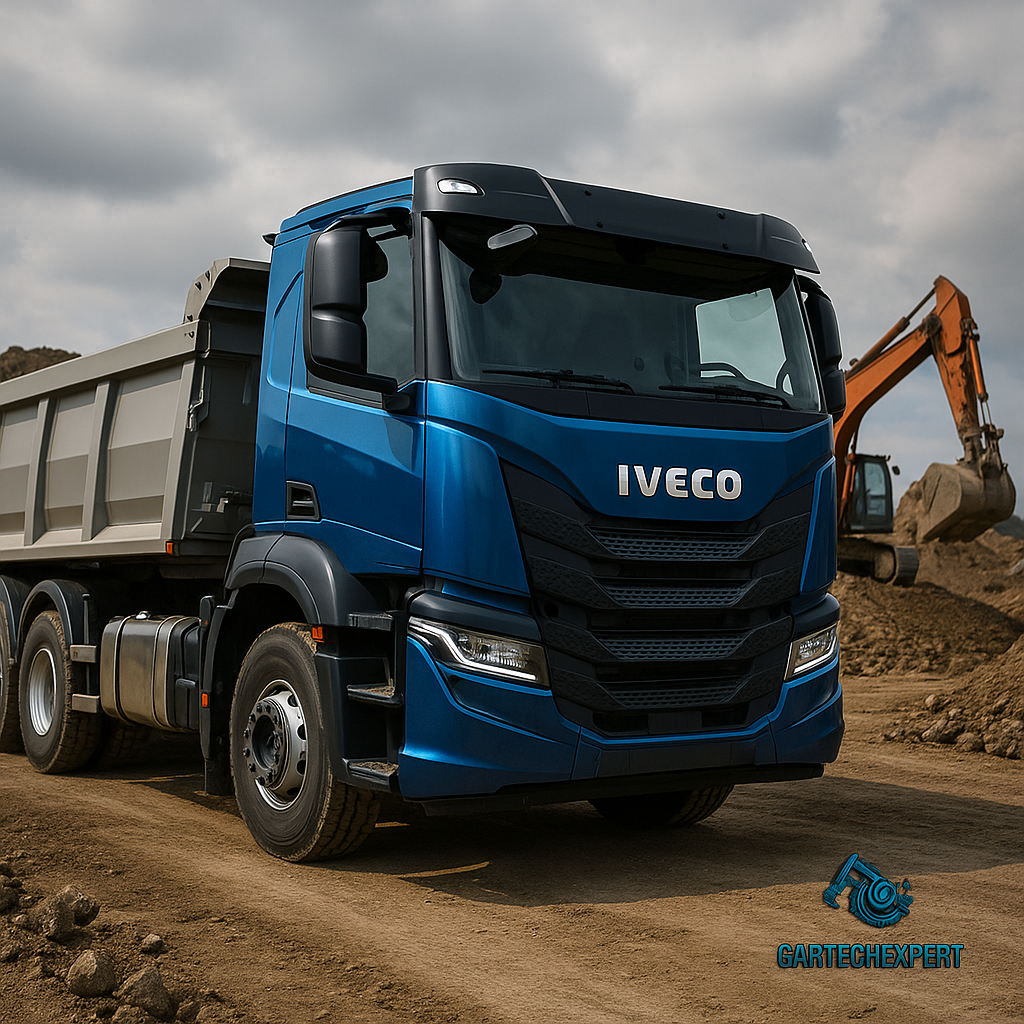
There is something unmistakably European about an Iveco truck—the crisp turbo note, the sculpted cab lines, the balance between efficiency and strength. For technicians and operators, Iveco’s identity is tied to its roots: a brand formed through collaboration, driven by engineering diversity, and shaped by decades of continental innovation.
Across highways from Turin to Berlin, through ports, quarries, distribution hubs, and international freight corridors, Iveco trucks prove their worth every day. They carry a legacy built not by one country, but by an alliance of engineering cultures that united to create a new force in global trucking.
“Iveco – The European Collaboration That Built a New Brand” refers to the multinational origin of Iveco, formed in 1975 by merging five major truck and engineering manufacturers from Italy, Germany, and France. Iveco became a pan-European brand producing:
Today, Iveco is a global manufacturer known for efficient engines, alternative-fuel innovation, and rugged cab-over-engine designs.
Before 1975, Europe’s transportation landscape was shaped by several regional manufacturers, each specializing in different engineering strengths. Iveco was created by merging:
This merger combined Italian design, German durability, and French industrial heritage into a unified brand.
Iveco represented a novel approach: instead of competing separately, these manufacturers pooled R&D, production, and engineering philosophies to create a more advanced, unified truck range.
The European market was becoming increasingly competitive, and global manufacturers were expanding rapidly. Collaboration allowed:
Iveco quickly distinguished itself with:
The TurboStar became one of Iveco’s most iconic long-haul trucks. Known for its power and comfort, it shaped a generation of European transport drivers. Later, the EuroStar and EuroTech models improved:
In the 1990s and early 2000s, Iveco became part of the broader CNH Industrial network, gaining access to more global research capacity and expanded industrial resources.
In 2002, Iveco launched the Stralis—introducing:
Iveco’s modern Cursor and Tector engines feature:
Iveco’s latest generations highlight:
Iveco is a global leader in natural gas and LNG truck technology, offering reduced emissions and lower operating costs for regional transport fleets.
| Engine | Displacement | Power Range | Notes |
|---|---|---|---|
| Tector | 4–6L | 150–320 hp | Light/medium duty |
| Cursor 9 | 8.7L | 310–400 hp | Regional haul |
| Cursor 13 | 12.9L | 410–570 hp | Heavy duty |
| Task | Interval | Purpose |
|---|---|---|
| Oil Change | 40,000–60,000 km | Lubrication |
| Fuel Filter | 20,000 km | Clean injection |
| DPF Service | Annual | Emission reliability |
Iveco was created through multinational collaboration, giving it diverse engineering philosophies and unique platform development.
Yes. Cursor engines and modern cab designs support long-haul operations with strong fuel efficiency.
Yes. Iveco is one of the world leaders in natural-gas trucking solutions.
No. Iveco maintains competitive parts pricing and widespread dealer support across Europe and global markets.
“Iveco is a major European truck manufacturer known for its collaborative origins, efficient engines, and modern cab-over-engine designs.”
Iveco’s story is a testament to the power of collaboration. Born from several engineering cultures, the brand has grown into a global truck manufacturer with strong technological roots and a forward-looking approach. From the TurboStar to the modern S-Way, Iveco continues to deliver vehicles that balance performance, efficiency, and innovation.
For more heavy-equipment engineering articles, visit:
cartechexpert.com
Explore workshop tools, diagnostics, and fleet equipment at:
store.cartechexpert.com
