Physical Address
Arthur Avenue , BrookField , ILLINOIS , 60513 , United State
Physical Address
Arthur Avenue , BrookField , ILLINOIS , 60513 , United State

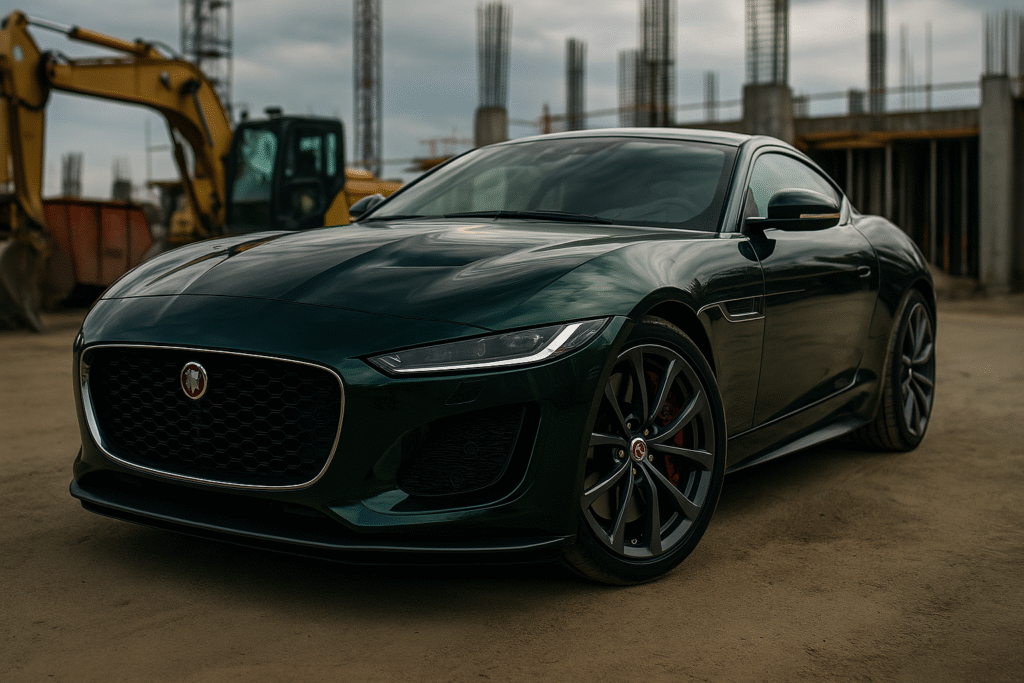
The first time a Jaguar rolls into the workshop, you notice two things immediately: the refined idle that whispers rather than shouts, and the smoothness of every mechanical noise. Jaguar engineers have always aimed for an emotional response, but one rooted in quiet sophistication rather than raw aggression. These cars feel like they’re sculpted rather than assembled, merging design, engineering, and British character into one unified experience.
For technicians, Jaguar models present a unique blend of luxury systems, high-performance engines, advanced ride control, aluminum-intensive chassis structures, and cutting-edge electronics. They require patience, precision, and an understanding of long-term mechanical behavior. Whether it’s servicing a supercharged V8, diagnosing adaptive suspension, or calibrating electric drivetrains, Jaguar demands a level of technical maturity shaped by decades of refinement.
The phrase represents the intersection of British craftsmanship, advanced powertrain engineering, and innovative chassis development. Jaguar’s philosophy merges:
To the workshop, these elements translate to vehicles that are luxurious yet mechanically demanding, requiring precise service techniques and strong diagnostic practices.
Founded by Sir William Lyons, Jaguar has always balanced beauty with performance. Its design philosophy focuses on proportion, fluid lines, and mechanical harmony — principles derived from its earliest sports saloons and racing legends.
Historic milestones influencing modern service practices include:
This heritage shapes Jaguar’s modern engineering culture — elegance infused with performance, always underpinned by innovation.
Jaguar’s engine evolution showcases how performance and refinement can coexist. From iconic inline-6 engines to modern supercharged V8s, Jaguar powertrains emphasize smoothness, linear power, and character.
These engines are central to Jaguar’s modern identity.
Workshop considerations: software updates, timing chain wear monitoring, careful oil selection, and cooling system integrity are essential.
Unlike many brands that transitioned to turbocharging, Jaguar retained supercharged engines in key models for immediate, predictable throttle response. Superchargers provide:
Technicians must inspect:
Jaguar has been an industry leader in aluminum-intensive platforms, especially for models like the XE, XF, XJ, F-Type, and F-PACE.
Technicians should prioritize:
The Jaguar i-PACE showcases the brand’s shift toward electrification. Key technical features include:
For workshops:
Jaguar uses aerodynamics to blend performance, stability, and comfort.
Technicians should check:
| Engine | Strength | Technician Notes |
|---|---|---|
| Inline-6 | Smooth power | Cooling & timing system crucial |
| Supercharged V8 | Extreme performance | Heat management essential |
| Ingenium I4/I6 | Efficiency | Software & timing chain checks |
| Component | Priority | Notes |
|---|---|---|
| Suspension bushings | High | Wear common on aluminum arms |
| Adaptive dampers | High | Sensor alignment critical |
| Cooling radiators | High | Clogging affects performance |
They demand precision and correct diagnostics, but are highly reliable when serviced properly.
To reduce weight, increase rigidity, and improve efficiency.
It requires HV training and careful handling, but follows predictable EV engineering principles.
Recommended: Lamborghini – V12 Power & the Spirit of Italian Supercars
Explore more at cartechexpert.com and view advanced workshop tools at store.cartechexpert.com.
Jaguar engineering blends elegance, performance, and structural innovation. From supercharged V8s to advanced EV drivetrains and aluminum-intensive platforms, Jaguar vehicles demand technical respect, precise maintenance, and a deep understanding of their long-term mechanical behavior.
Thank you for reading.
