Physical Address
Arthur Avenue , BrookField , ILLINOIS , 60513 , United State
Physical Address
Arthur Avenue , BrookField , ILLINOIS , 60513 , United State

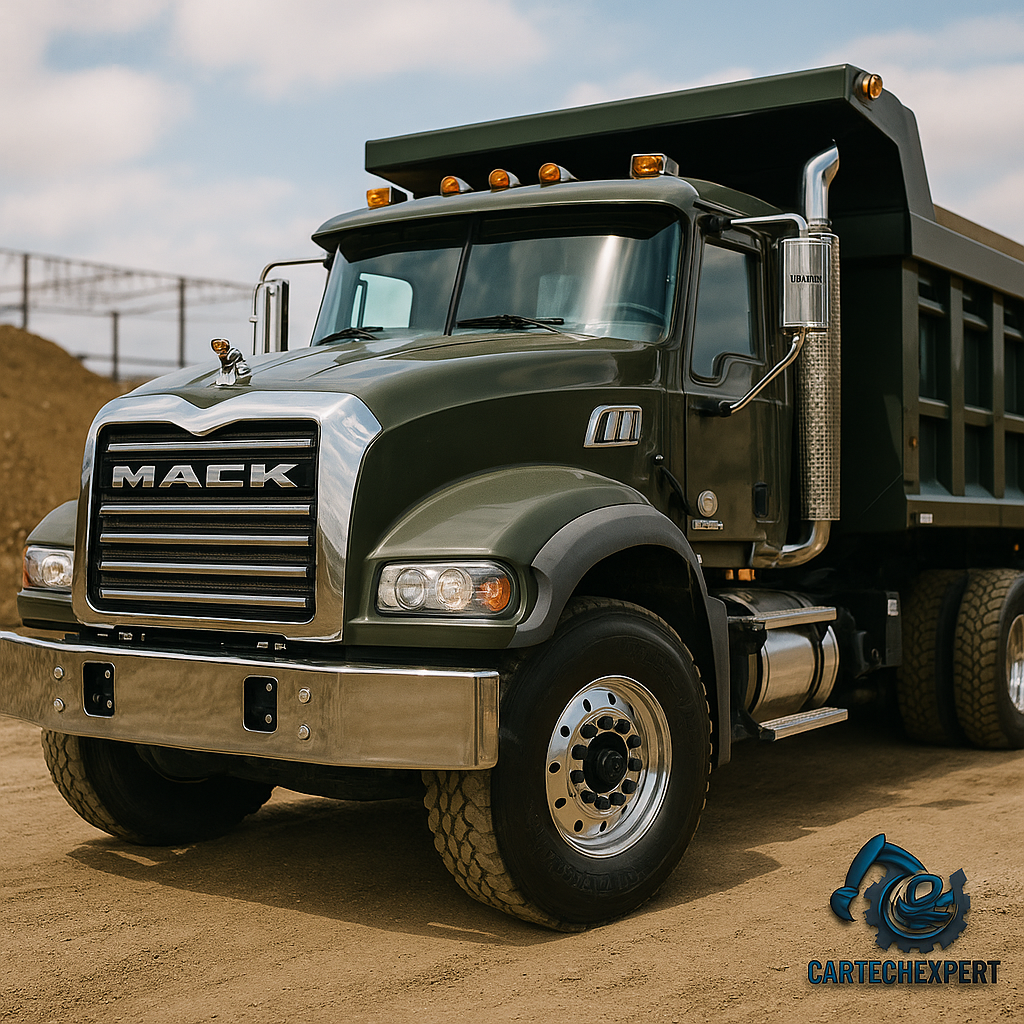
There’s a certain kind of silence on early job sites — a heaviness before the machines wake. Then a starter whines, an engine fires, and suddenly the ground hums beneath your boots. Some trucks don’t just start; they announce themselves. Mack trucks have always done exactly that. With their square-jawed stance, steel-backed frames, and unmistakable Bulldog emblem perched on the hood, they carry a presence that technicians, operators, and engineers all recognize instantly.
Whether cresting battle-scarred terrain in wartime convoys or grinding through modern construction sites, Mack’s machines embody toughness. They’re built from the philosophy that a truck should survive its work — not merely perform it. To understand Mack Trucks is to trace a lineage of American heavy-duty engineering, forged through industry, refined by war, and elevated by generations of mechanics who depended on their reliability when failure simply wasn’t an option.
“Mack Trucks – The Bulldog Icon & War-Era History” refers to the century-long engineering journey of America’s most recognizable heavy-duty truck manufacturer. From early industrial vehicles to their legendary wartime service, Mack Trucks built a global reputation for:
No truck brand blends engineering grit and historical depth quite like Mack. Its legacy is inseparable from the battles it endured — both industrial and literal.
Mack Trucks was founded in 1900 by the Mack brothers in Brooklyn, New York. Their immediate goal wasn’t to build the biggest or fastest trucks — but the strongest. Early Mack designs emphasized:
The Mack “Manhattan” and later “AC” models introduced reinforced frames designed for coal, ironworks, and construction industries. These early trucks were known for:
In 1917, British soldiers observed Mack AC trucks climbing mud-soaked terrain and surviving artillery-scarred roads where other vehicles failed. They began calling the trucks “Bulldogs” because of their stout hood, upturned nose, and relentless pulling power. The name stuck — and the Bulldog became Mack’s official symbol in 1932.
During WWII, Mack produced more than 35,000 heavy-duty trucks for Allied forces. Notable models include:
These trucks were used to:
Their battlefield survival rate cemented Mack’s reputation as the U.S. military’s toughest truck manufacturer.
Introduced in the 1950s, the Mack B-Series became iconic in construction, mining, and long-haul applications. Key innovations included:
The R-Model (1966) introduced:
Mack evolved into a modern heavy-duty manufacturer with:
The MP7, MP8, and MP10 diesel engines introduced:
Today’s Mack lineup includes battery-electric refuse trucks with regenerative braking, modular battery packs, and electric drive motors designed for constant stop-start operation.
| Era | Engine | Power | Key Benefit |
|---|---|---|---|
| 1910s | Gasoline inline-4 | 40–70 hp | Reliability under primitive roads |
| 1930s–1950s | Thermodyne Diesel | 120–200 hp | Strong torque for heavy loads |
| 1960s–2000s | ENDT/EM Engines | 200–400 hp | Vocational dominance |
| 2000s–Present | MP Series | 325–605 hp | Efficiency, emissions, durability |
| Maintenance Task | Interval | Purpose |
|---|---|---|
| Oil & Filter | 30,000 km | Engine protection |
| Brake Check | 10,000 km | Safety assurance |
| Driveline Torque | Yearly | Frame integrity |
British soldiers coined the nickname during WWI because of the truck’s tough stance and ability to endure battlefield conditions.
Their high-strength frame rails, vocational suspensions, and torquey diesel engines are engineered for extreme loads and harsh environments.
Yes — Mack operates major facilities in Pennsylvania and other U.S. regions.
While not as dominant as in the World Wars, Mack provides some specialized vehicles for defense and governmental fleets.
Granite, Pinnacle, Anthem, and LR refuse trucks remain industry leaders.
Old Article Placeholder:
“Mack Trucks are known for their rugged build and iconic Bulldog emblem. Their history stretches back to world wars and industrial expansion, making them a trusted name in heavy-duty transportation.”
For more than a century, Mack has balanced engineering toughness with practical innovation. From the mud-torn battlefields of World War I to modern construction and municipal fleets, the Bulldog has stood as a symbol of durability, grit, and American industrial excellence.
For more expert heavy-equipment articles, visit cartechexpert.com and explore tools, parts, and gear at store.cartechexpert.com.
