Physical Address
Arthur Avenue , BrookField , ILLINOIS , 60513 , United State
Physical Address
Arthur Avenue , BrookField , ILLINOIS , 60513 , United State

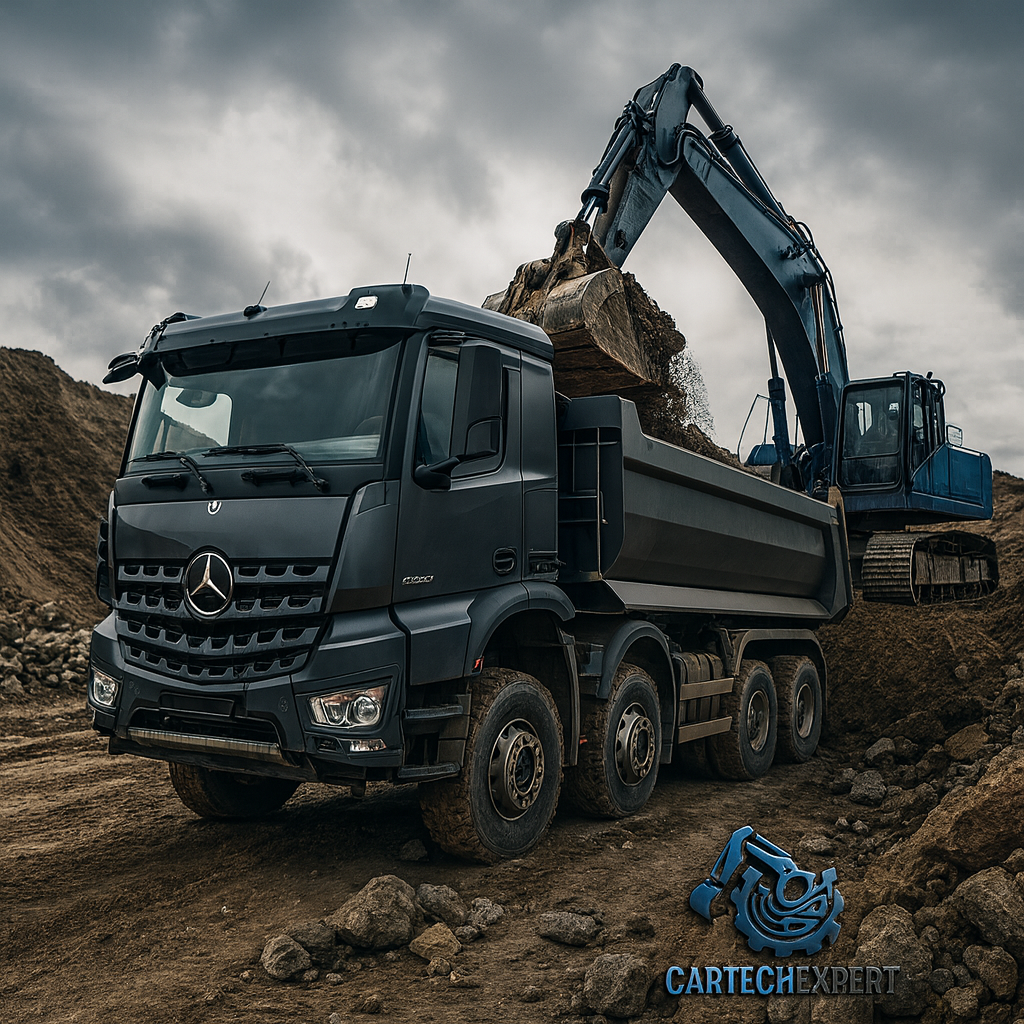
There is a moment every technician, engineer, or machine operator remembers—standing beside a heavy-duty truck at dawn, feeling the cool steel radiating the stories locked within its frame. The silence before ignition carries its own gravity. And when the engine fires, the vibrations through the ground feel like a handshake between human ambition and mechanical mastery. Few machines embody that sensation better than a Mercedes-Benz truck.
Since 1896, Mercedes-Benz has engineered trucks not just to transport goods, but to define an industry. For generations, these machines have shaped construction sites, military operations, mining fields, long-distance highways, agricultural sectors, logistics networks, and the very way modern societies move. To study Mercedes-Benz trucks is to study the evolution of mechanical design, combustion efficiency, safety philosophy, and industrial innovation.
“Mercedes-Benz Trucks – Engineering History From 1896” refers to the continuous, documented mechanical evolution of Daimler’s commercial vehicles—from the first motorized truck prototype in 1896 to today’s digital, AI-supported, autonomous-ready heavy-duty machines. This history is not just a timeline; it is a technical map showing how truck engineering adapted to changes in society, material science, combustion strategies, and industrial demands.
Mercedes-Benz trucks are globally recognized for:
Their engineering journey mirrors the rise of global industry itself.
In 1896, Gottlieb Daimler built the world’s first truck: a 4-horsepower, single-cylinder engine mounted on an iron frame. The vehicle could transport 1,500 kg—an engineering marvel for its era.
This machine marked the origin of commercial transport engineering. Over the next decades, Mercedes-Benz refined the truck concept with stronger engines, pneumatic tires, braking systems, and steel frames designed for industrial workloads.
The 1930s witnessed the dominance of the diesel engine in Mercedes-Benz trucks. The OM138 engine set new performance standards with better fuel efficiency and torque characteristics suitable for heavy cargo.
World War II forced rapid advancements in:
After the war, the L-Series trucks became legendary for their durability, remaining in service well into the 2000s in many regions.
Mercedes-Benz introduced electronically controlled diesel injection systems, significantly improving:
The Actros revolutionized long-distance trucking with:
Safety has shifted from being optional to central in modern heavy-equipment design. Mercedes-Benz leads this transformation with electronic and mechanical systems engineered to minimize accidents while improving operator confidence.
| Generation | Engine Type | Horsepower | Key Innovation |
|---|---|---|---|
| 1896 | Phoenix Petrol | 4 hp | First commercial truck engine |
| 1930s | Diesel OM Series | 45–80 hp | Fuel efficiency & torque |
| 1990s | V6/V8 Diesel | 300–480 hp | Electronic Diesel Control |
| 2020s | Euro VI & Electric | 400+ hp / 400 kWh | Low emissions & digital management |
| Task | Recommended Interval | Purpose |
|---|---|---|
| Oil & Filter Change | 30,000–60,000 km | Engine protection |
| Brake Wear Check | Every 10,000 km | Safety assurance |
| Coolant System Test | Every 6 months | Prevent overheating |
| Chassis Inspection | Annually | Structural integrity |
Because the brand has consistently invested in long-term innovation, safety systems, and durable powertrain design, making Mercedes-Benz Trucks – Engineering History From 1896 one of the most consistent development arcs in the industry.
The Actros digital platform, MirrorCam, electronic stability systems, and modern electric drivetrains dramatically reshaped operational efficiency.
Through high-quality materials, precise engineering tolerances, strong cooling systems, and strict maintenance schedules that promote mechanical longevity.
Yes. Models like the Arocs and Zetros are designed for mining, forestry, desert climates, and high-load industrial operations.
Old Article Placeholder:
“Mercedes-Benz trucks are known for their durability and efficiency. Since 1896, the brand has been a pioneer in heavy-duty transport solutions. Their trucks offer reliable engines, strong frames, and advanced technology. Mercedes-Benz continues to lead the industry with innovations that enhance safety, performance, and driver comfort.”
For more than a century, Mercedes-Benz has defined the standards of heavy-duty automotive engineering. From the very first 4-hp truck in 1896 to today’s AI-enhanced, electric-powered machines, the brand’s evolution mirrors the technological growth of global industry itself.
Understanding this journey empowers engineers, mechanics, and operators to fully appreciate the systems they work with, enabling better maintenance, safer operation, and higher long-term performance.
If Mercedes-Benz trucks shaped your work, inspired your engineering path, or supported your operations, share your thoughts and experiences—your knowledge fuels the industry’s future.
